
Highland Visitor Experiences | The Highland Council
Torvean, Chanonry Point, Smoo Cave & Duncansby Head
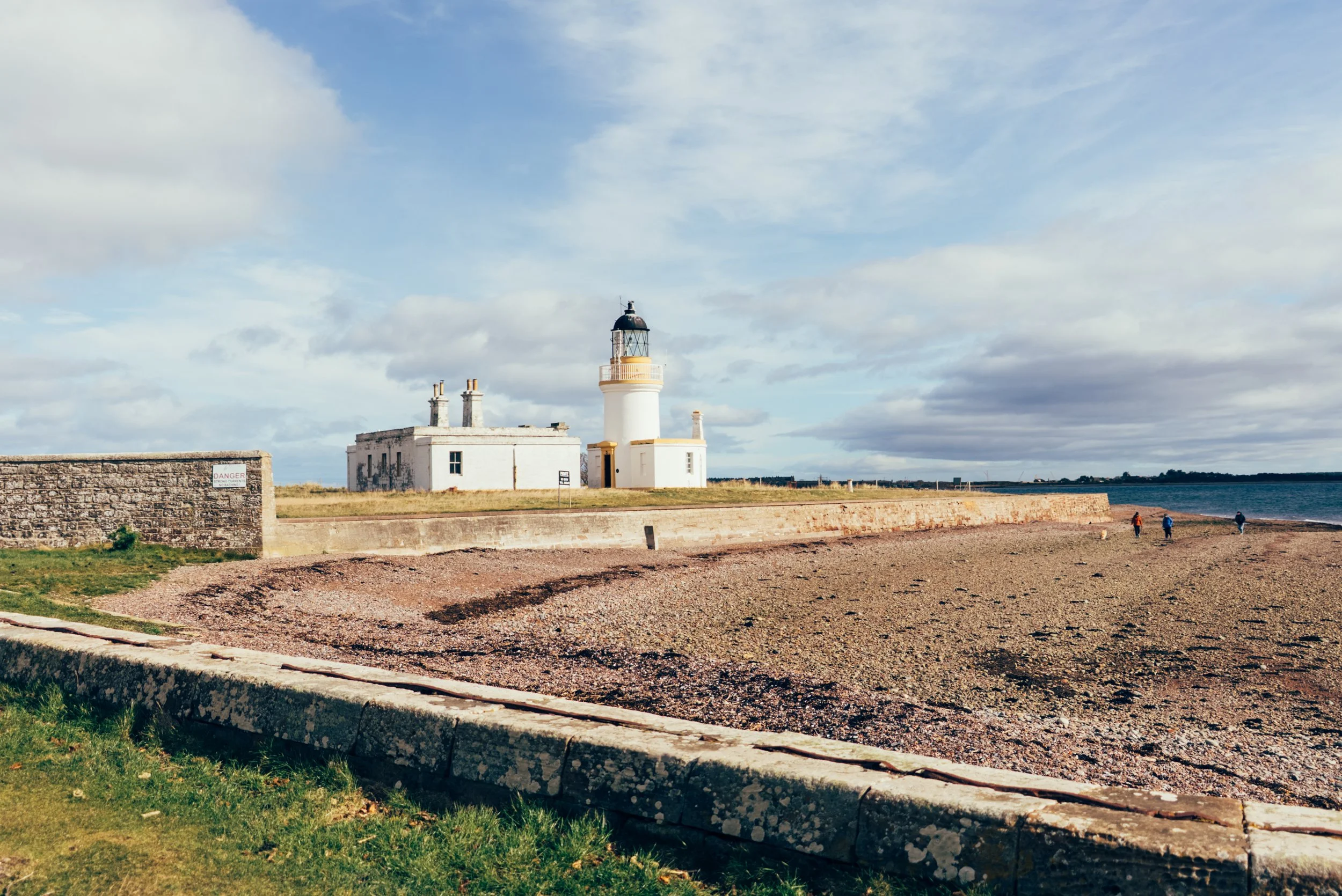
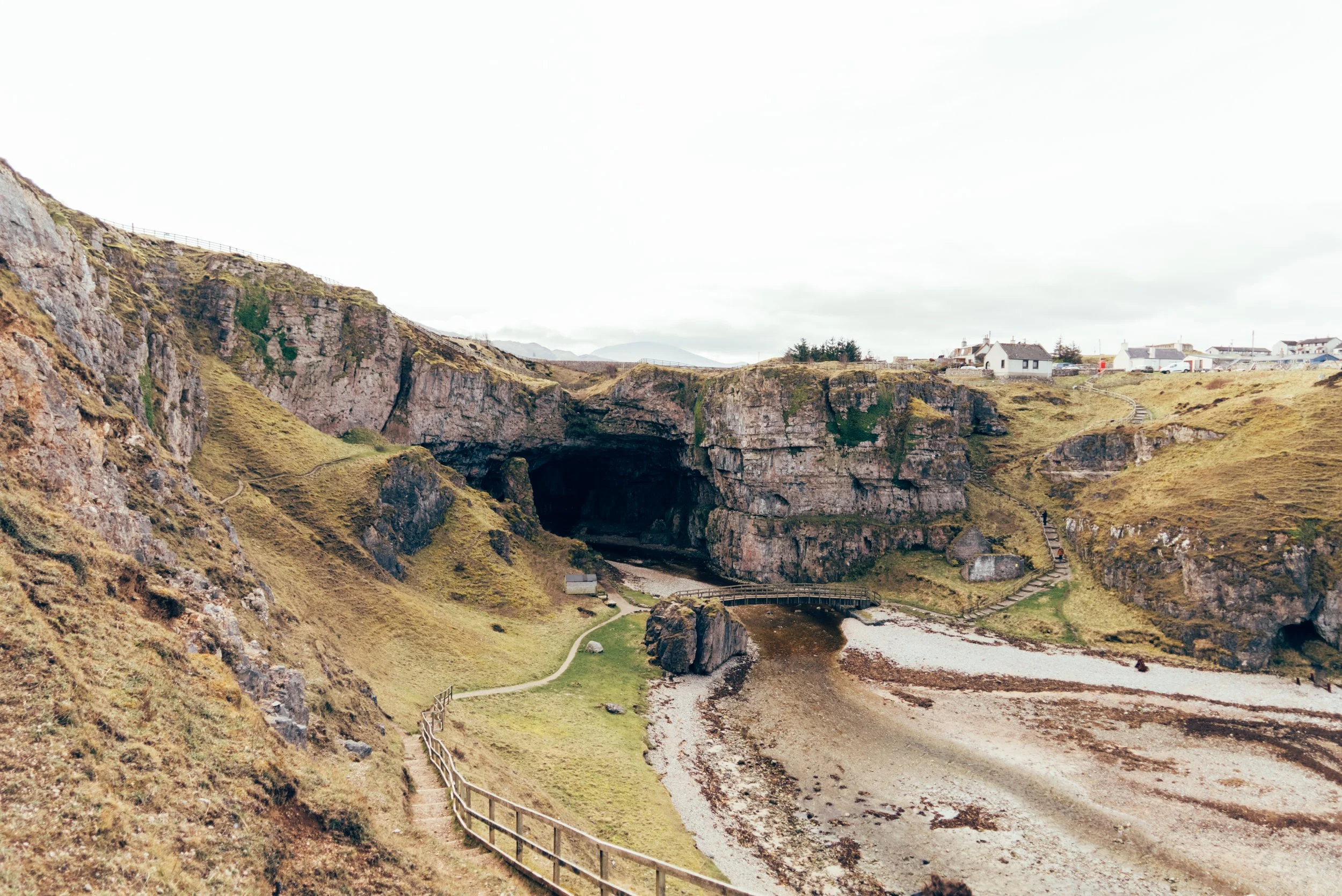
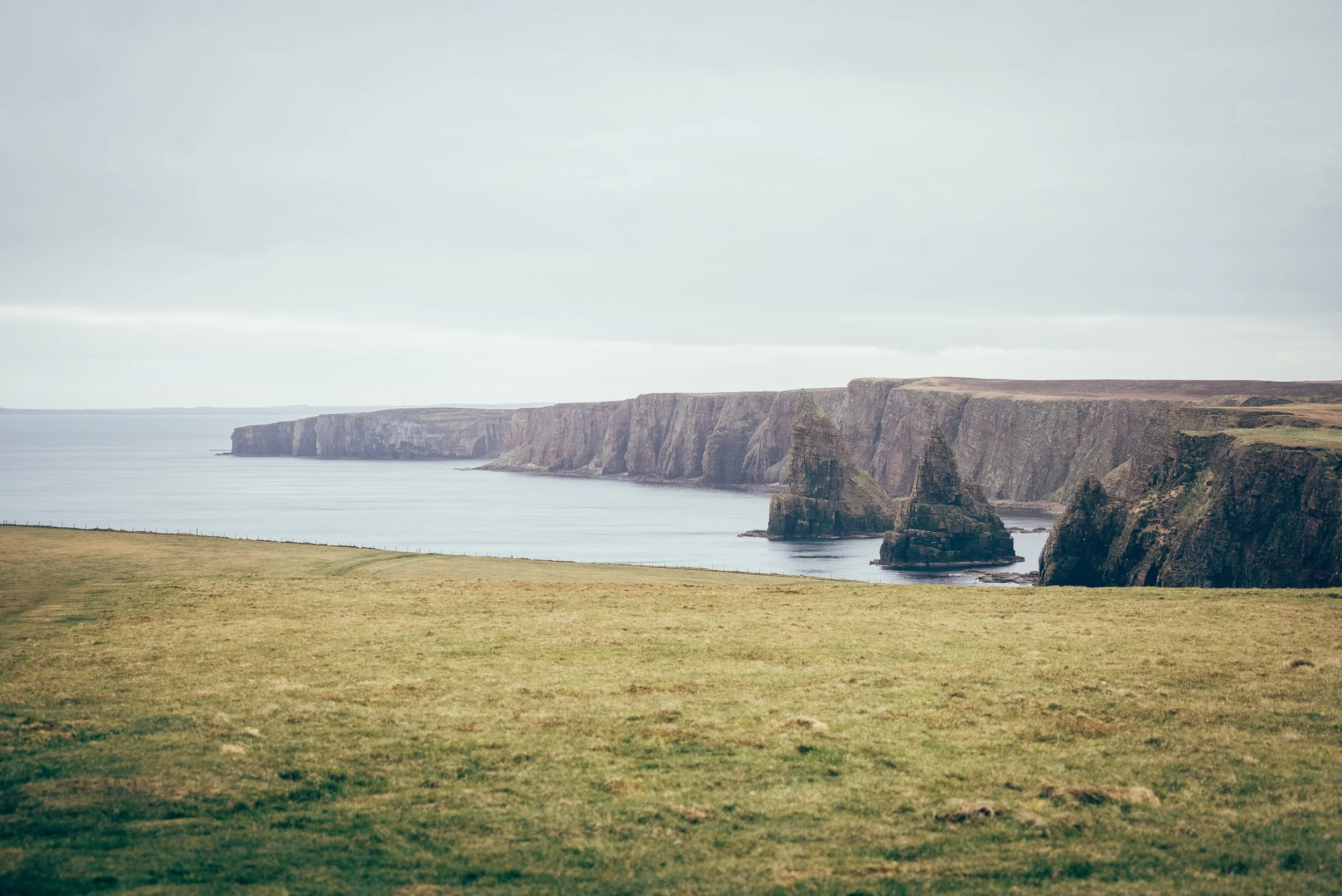
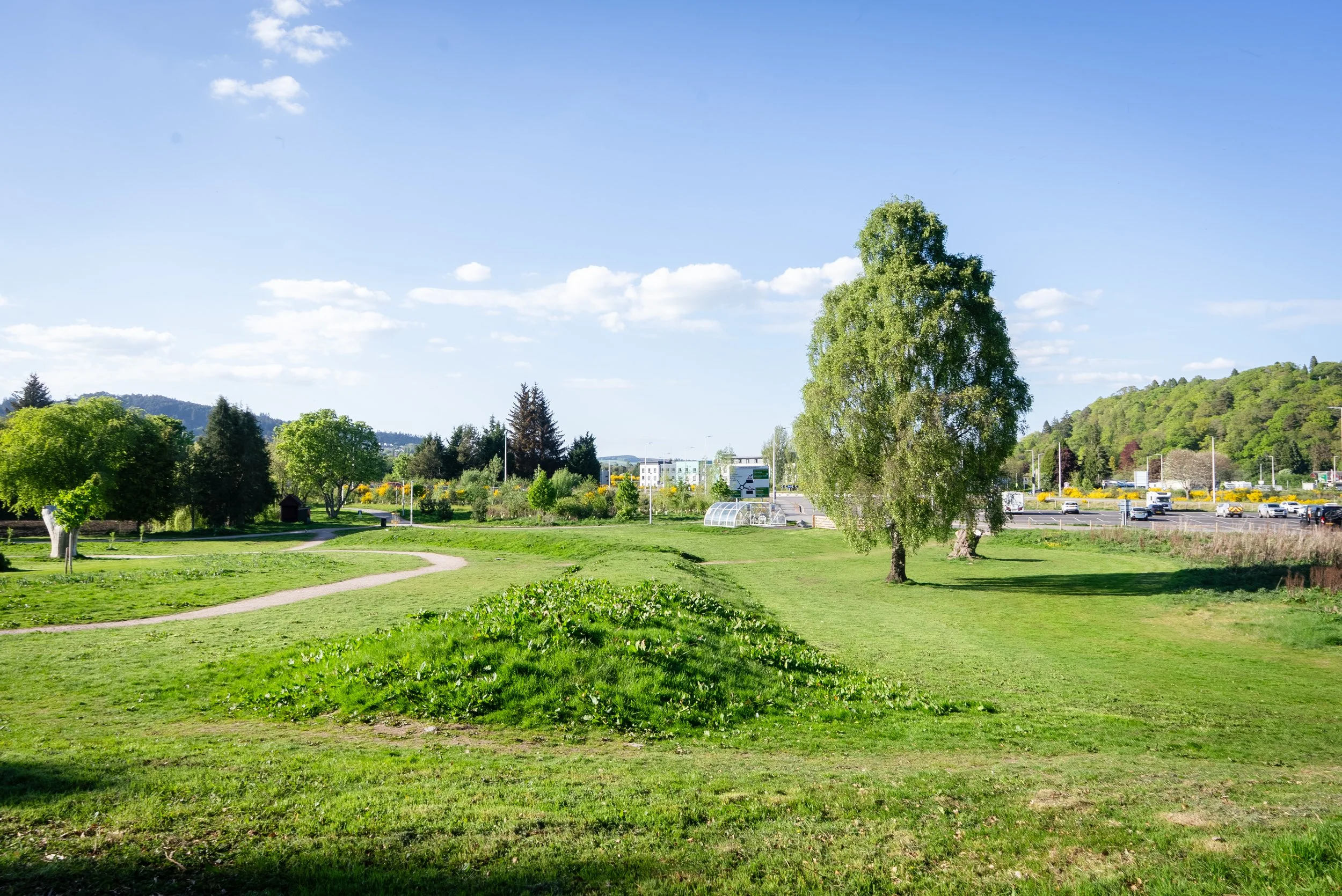
Following the success of Glenmorven’s work at The Storr, Isle of Skye, The Highland Council directly commissioned Glenmorven in early 2025 to develop a comprehensive strategic framework. Four additional sites were used as illustrative case studies to help shape and test the framework’s development principles, these were: Torvean (Inverness), Chanonry Point (Black Isle), Smoo Cave (Sutherland) and Duncansby Head (Caithness).
The commission formed part of The Highland Council’s Our Future Highland 2024–27 Delivery Plan, with Glenmorven tasked to assess income potential, visitor experience and long-term sustainability across these locations.
Building on the Storr Framework
Drawing on the proven methodology established at The Storr, Glenmorven Associates Ltd. undertook a full programme of site visits, stakeholder consultation and comparative international research, leading to the publication of a three-part series of reports culminating in the Highland Visitor Experiences | Final Report (2025).
The study introduces a phased model of development that combines physical and digital transformation - ensuring that each site can grow sustainably through stabilisation, targeted investment and imaginative innovation.
This dual approach - on-site infrastructure and digital growth - positions Highland Council at the forefront of national thinking on destination management and income diversification.
Sheila Armstrong, Chief Officer for Revenues & Commercialisation, Corporate at The Highland Council, commented:
“The feasibility work undertaken by Glenmorven has provided the Council with a strong basis from which we can now develop business cases to inform investment decisions across the Highlands. We envision a network of unique Highland experiences that build upon our world-class destinations and premium facilities for visitors and our communities.”
Collection, Not Piecemeal
The project posited THC’s visitor assets as a collection rather than as isolated sites. Each potential location retains its unique character and story, while contributing to a coherent regional network of places, experiences and digital touchpoints. The four case study sites explored in this study provide illustrative examples of how the framework could be applied in practice, and a basis for the development of business cases to inform investment decisions across the Highlands
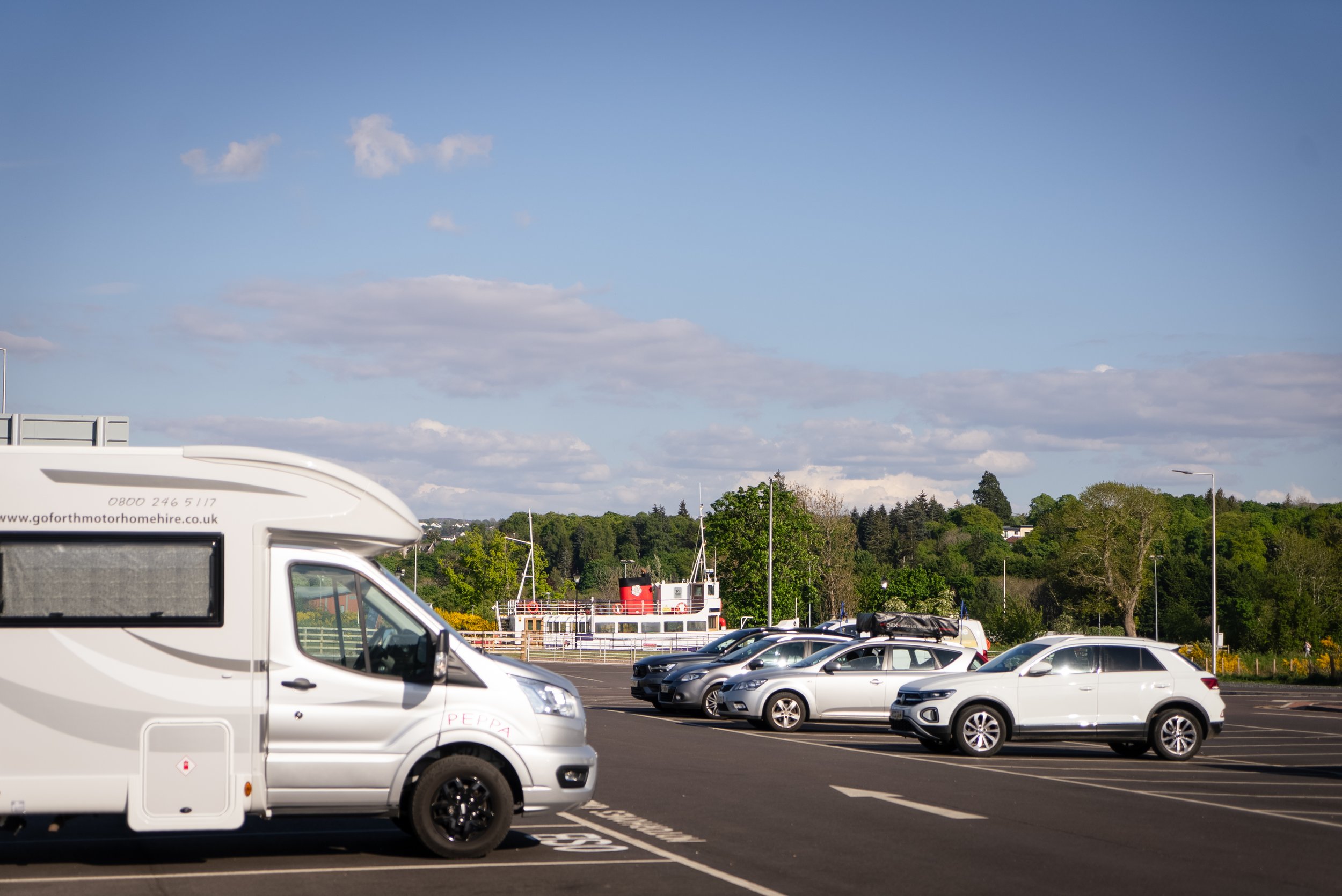
Torvean - central gateway - both physically and digitally - connecting visitors to the wider Highlands
Chanonry Point - sustainable access management and low-impact tourism design
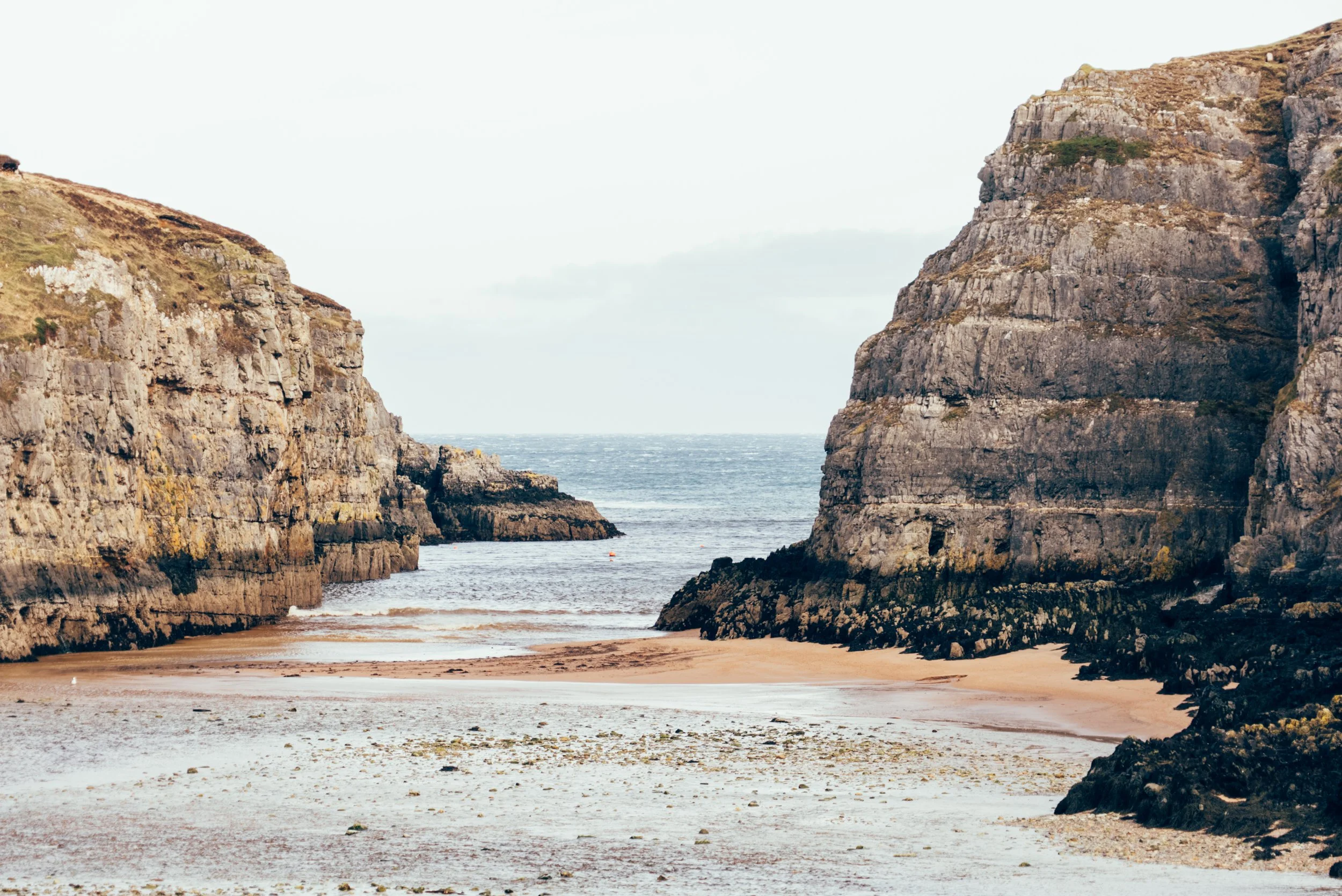
Smoo Cave - blending heritage storytelling with immersive digital interpretation
Duncansby Head - model for light-touch development and remote digital engagement
The study proposes a structured hierarchy for the future of Highland tourism:
Sites > Clusters > Local Hubs > Central Hub (Torvean).
This nested network supports smarter investment sequencing, regional storytelling and shared resource management. Smaller or fragile sites can be included through digital representation, ensuring that every community benefits without overdevelopment.
This new collection-based approach allows for shared infrastructure, centralised marketing and coherent brand development, ensuring efficiency, consistency and greater cumulative impact.
Methodology & Consultation
Glenmorven’s work was shaped by extensive field research, desktop analysis and one-to-one consultation with over 40 Council officers and elected members across key departments, alongside engagement with external stakeholders including Highland Coast Hotels, NC500, and NatureScot. In addition, comparative review of European rural tourism, New Zealand Māori tourism models, and Salzburg Research’s visitor management systems further informed best practice.
The resulting methodology triangulates field evidence, consultation and international precedent — ensuring that all recommendations are grounded, actionable and globally informed.
Digitisation & Design-Led Growth
Running parallel to physical interventions included in this study is a transformative digital strand, positioning the Highlands as an “always open” visitor experience.
This includes unified branding, online booking, immersive virtual reality storytelling, and a new e-commerce platform connecting visitors with local makers and producers.
The model - first piloted at The Storr - demonstrates that digital engagement can generate tangible economic return while widening access and inclusion.
Sustainability as Spectacle
At each site, the study treats sustainability not just as a target but as an experience in its own right.
Net Zero infrastructure, smart energy systems and community wealth-building initiatives are all framed as visible, educational features of the visitor journey - blending environmental responsibility with attraction design.
A Scalable Framework for the Highlands
The Highland Visitor Experiences Final Report establishes a replicable blueprint for future site development. It enables Highland Council to expand its visitor portfolio coherently, balancing community benefit, income generation and environmental care.
Project Contacts
To discuss how Glenmorven Associates Ltd. could assist with your project, please visit our Contact page — we would be delighted to hear from you.
Reference contact:
Please write to consultancy@glenmorven.com to be put in touch with relevant personnel.